-
Tips For Choosing The Right Agency For Your SEO
How do I choose the right SEO agency
SEO (Search Engine Optimization) is the key to unlocking organic website traffic. That’s why it’s essential to work with an SEO agency that you trust and that understands your business needs. When choosing the right agency, keep in mind that there are several crucial factors at play.

The following quick guide will help you make the best choice for your business.
1. Set a Budget and Stick to It
Before you start looking for an agency, decide on a budget that is realistic for your organization…
2. Check References & Testimonials
Try to get in touch with some of their clients who can tell you about their experience with the company and share honest feedback (good and bad).
3. Get a Proposal and Discuss Key Aspects of the Project
This is your opportunity to ask questions about aspects that are critical to you. Be sure to ask for an estimate of the project’s timeline, what kind of results they expect, how frequently you’ll be communicating…
4. Review Contracts Before Signing Anything
The contract is a crucial document. Take your time to review it and get advice from colleagues who have relevant experience with contracts.
5. Stick to the Agreed-Upon Timeline
Quality work takes time, but you should never see your SEO agency as a black box where work gets done behind closed doors…
6. Pay Only for Results
Quality work takes time, but you should never see your SEO agency as a black box where work gets done behind closed doors. If their results don’t match expectations, it’s important to have a discussion with the team in order to find out what went wrong and correct things going forward.
7. Review Ongoing Results Regularly
Every month, you should conduct an analysis of the website’s progress towards established goals. At a minimum, you need to track results from Search Engine Optimization and Social Media Marketing every month. They should provide concrete ideas for getting more clients through your website.
8. Prepare to Evaluate Other Options as Needed
If their work doesn’t match expectations, be prepared to cut them and hire another company. On the other hand, if they meet expectations and exceed them even further, do not hesitate to expand your relationship with them…
9. Be Prepared for a Review Period at the End of the Contract
This is when you should ask yourself whether or not you want to continue working with this team. If the answer is yes, it’s time for a contract renewal. If you feel like you want to move on…
10. Keep Learning & Stay Up-to-Date with Developments in Your Industry
Your SEO company should be able to put together an annual “SEO roadmap” that shows the direction of your website over the next year with regard to SEO activities. This will help you make sure that they understand your organization’s goals and expectations, and will allow you to plan accordingly.
If you follow these guidelines when hiring an SEO firm, you’ll be able to identify the ideal fit for your company needs in no time.
What questions to ask when hiring an agency?
These are some of the questions you should be asking when hiring an SEO agency.
1. How long have you been in business? What is your experience with my industry?
2. Do you specialize in SEO? If not, can I speak to another agency that you work closely with for SEO projects?
3. What type of reporting do you provide (quarterly, weekly)?
4. Who will manage the project – one person or a team?
5. How many clients do you manage simultaneously?
6. What is your approach to website maintenance and updates for my industry?
7. Can I choose the person who will be working on my project?
8. Do you have an account manager that I can contact if needed? Who will this person report to?
9. Who will be responsible for my project’s strategy and day-to-day tasks (for example, website design)?
10. How do you determine your estimates (hourly rate or fixed project cost)? What are the factors that influence the final price?
11. Can you give me references of current clients whose businesses are similar to mine? Can I speak with them directly?
12. How often do you update your website and blogs with current industry news and developments? Have the articles been written by professional writers?
13. What is your SEO strategy (for example, link building, social media marketing)?
14. Do your staff members participate in any local/national/international organizations that relate to my industry?
15. What is your philosophy on search engine optimization, and how do you see it evolving in the next few years?
16. How often will my web pages be checked for errors?
17. Will I have access to my project’s analytics data (for example Google Analytics)?
18. Will you provide relevant reports and recommendations on a regular basis?
19. How do you ensure the quality of your work (for example, processes, policies)?
20. What is your policy on search engine penalties? Do we need to be concerned with this for my project?
21. How often will I meet with the person who will be working on my project?
22. How can you guarantee high rankings for my keywords?
23. When should I expect to see noticeable results from your work?
24. Will you provide a list of potential keywords and phrases related to my business? What is your strategy for generating these ideas?
25. How do you approach link building and obtaining links from other websites?
If you keep these tips in mind when hiring an SEO company, it won’t be long before you find the best match for your business needs.
Final Thoughts
A good SEO agency will have an answer to these questions. Asking them can help you understand if they are the right partner for your company. However, it is important to research an SEO company before hiring them by reading reviews online or asking for references from other business owners who had hired their services. If you know beforehand what traits make an SEO agency good, finding one that’s ideal for your company will be much easier.
-
Common SEO Mistakes To Avoid
Top 5 SEO Mistakes Content Marketers Make Without Knowing
The SEO game is all about being found when someone searches for your product or service. If you want to increase traffic, then search engine optimization should be at the top of everybody’s list!
Search engine optimization is an important aspect of content marketing. It helps you rank higher in the SERPS and make sure that your target audience can find out about what it is that makes YOU unique when they search for specific keywords on Google or other engines like Bing.
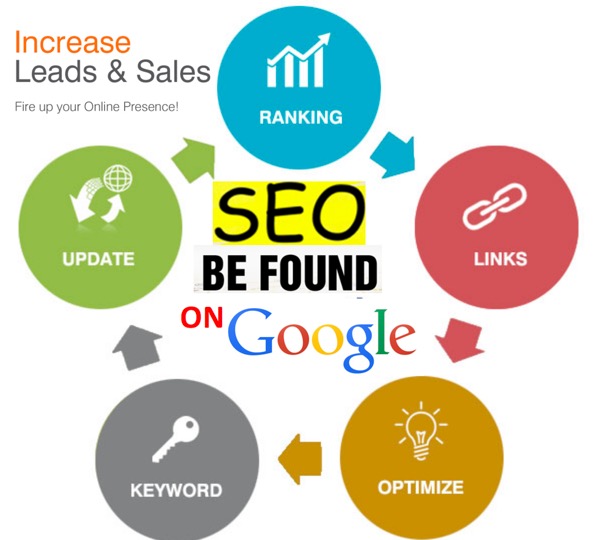
Search Engines work by identifying pages that have certain keywords and ranks them accordingly so their content can come up in a user’s results page – giving those visitors an easier way find out who they would need next.
To do this well means avoiding these common pitfalls listed below.
Keyword Stuffing
Keyword stuffing is a scenario whereby you try to repeat the keyword in your content as much as possible thinking that it is a shortcut to SEO success. However, this was a tactic that was used a long time ago, and it is now outdated and no longer practiced by any SEO consultant in Singapore.
In fact, keyword stuffing can lead make the search engines blacklist your site permanently. The search engines are now more intelligent, and they are can easily identify content that is stuffed with a particular keyword. When they come across such content, they will tend to ignore it.
According to SEO expert, the best strategy is to use the keywords only where appropriate without overdoing it. You should learn to write your content like a human being more natural, not like a robot. Learn to use your keywords naturally and sparingly.
Committing keyword stuffing (meaning overusing specific words) which will automatically decrease rankings due to Google algorithm updates; instead focus more on creating unique offerings with broad appeal rather than catering only towards one niche market segment as doing this has been known not just hurt ranking but also engagement rates
Lacking Outbound Links
It’s unfortunate how many people avoid linking out of fear that their content won’t be taken seriously or found credible, but this is not an issue when you have external links to reputable sources for backup and verification! Make sure your site has credibility with relevant in-text citations as well as throughout social media channels like Facebook fan pages (which are often included automatically). You can become more authoritative with your content when you use outbound links. Search engines will reward a site that backs up its claims, but only if there are external links to other reputable websites verifying what is being said on the page–the evidence needed for verification by Google’s algorithm (and human reader) alike!
Not Optimizing Meta Description
Content marketers often use the default options for their meta descriptions, which limits what they can do. However by optimizing titles and descriptions you will rank better in search engines as a result of this strategy
It is important that your content marketing strategies include optimizing the content title and description to match what is in your actual post as this can help you rank better on search engines.Keep in mind that Google typically looks at the first two sentences of your content when ranking it. It’s best to come up with unique Meta titles and comprehensive descriptions for each piece you publish because this will help get more views on those pieces!Lacking Call To Action In Meta
Call to Action (CTA) statements in your meta information is another great way of attracting people’s attention. The first step towards getting people to click on your link is by grabbing their attention. Just remember that click-through is among the leading ranking factors according to a study done by Searchmetrics.
Using Lengthy Paragraphs
Long paragraphs turn off your visitors, and they will leave your site immediately. Google has a way of detecting this, and it can affect your site ranking.It doesn’t matter whether you are creating the content yourself or outsourcing it. Always insist on short and clear paragraphs.
The paragraphs need to be separated from each other by subheadings. The sentences that make up the paragraphs need to be short and precise. Short and concise paragraphs are good since most people tend to scan through content and they avoid reading.
Therefore, the short paragraphs become easy to understand and encourage further reading. The visitors are left with less information to filter which makes them stay on your site for long. Any SEO marketing expert should understand this golden rule and avoid any mistakes that may hinder readability of their content. Ideally, your paragraphs should be between three to four sentences long.
Using Duplicate Content
Copied content is a significant factor that can limit the success of your content marketing effort. Copying means reproducing exactly what someone else has written and duplicating their work without any changes. It’s also called plagiarism if it includes words or ideas from another source with little modification for use in one’s own writing (or speaking).
It affects your authoritativeness and your search engine ranking. Copying chunks from other sources may seem simple enough – after all we are talking about online resources here! However there’s more than meets the eye in terms of what exactly constitutes as “content duplication”. This includes not only direct copies but also spun language/words used by writers which have been slightly tweaked.
You need to create unique, engaging content for your target audience. If you are unable to do that, your SEO and content marketing efforts will go to waste. Creating low-quality articles that don’t provide any value or new ideas are a waste of time, so you should focus on the high producing ones instead!
Final Thoughts
Now that you are aware of the top 5 common Google SEO mistakes, how can we be sure your content marketing strategy will yield success? Simple: avoid them all. These are the common mistakes that Google SEO expert will avoid. By doing so, your site will have a higher ranking in the SERPs, which means more visitors for content marketing goals!
-
SEO Strategy Tips For Improving Your Site Ranking On Search Engines
Want To Get More Traffic From Search Engines?
Who doesn’t like some extra traffic from search engines? We all want our sites to rank higher. With a sound SEO strategy, you indeed can achieve that. The problem is most Webmasters are not aware of the essential SEO strategy tips that they can execute.
Consequently, they just haphazardly try to increase the rank of their websites. Doing so can be a mistake.
You need to follow the right search engine optimization tips, which work. If you can’t devote time to doing search engine optimization, you can always outsource this task and hire search engine optimization services from proven agency. However, we will today share a few strategy with you, which will certainly improve your site’s ranking
SEO Tips For Improving Site's Rankings
1. Improve site loading time:
Many webmasters do not pay attention to their site’s loading time. The problem is that it is a significant ranking factor. If your site is loading slowly or takes a long time to load, Google and other search engines will not rank you at the higher positions.
Moreover, not everyone has a perfect Internet connection when visiting your website. The visitors with a slow Internet connection will close your website or head back to the search engines if it takes longer to load. That would once again increase the bounce rate. If the bounce rate is high, your rankings will degrade.
In a nutshell, having high site loading time is a double whammy.
Instead, you have to work towards improving your site loading time.
You might be thinking about how to do so?
There are quite a few ways to do so. These include:
• You have to use a CDN provider. CDN providers like Cloudflare will undoubtedly improve your site loading time.
• You have to resize the images on your website to the size they are being displayed. It will reduce the data that needs to be loaded.
• You have to uninstall the widgets on your website that is not loading. That will cut down on unnecessary data loading.
• It is a good idea to limit the images to 4 to 7 on each page. More images result in a slow loading page.
These four simple tips will ensure that you can improve your site loading time significantly. When that happens, your search engine rankings will also go higher.
2. Update content regularly
Do you just publish content and forget about it?
If yes, that is a mistake. Google prefers webpages that are regularly updated. Instead of just publishing content and forgetting about it, it is better to update the content regularly.
You can add a few tidbits to your older content like:
• Latest industry updates
• Product developments
• Author opinions
• FAQs
• And so on
Incorporating any of these content updates will ensure that your content looks fresh. Moreover, the last updated date on your site will also change. Google and other search engines take notice of both. Consequently, you will experience a bump in rankings.
3. Use credible sources to build backlinks
Do not spam!
If you build backlinks from every source you find, you will soon be entangled in algorithm updates. You can lose your rankings as well. Instead, it is better to build backlinks from credible sources. You can try out techniques like:
• Answering questions on Q&A sites
• Guest post
• Content marketing
• Backlinks from community/forums
When you go with the sources, it is easy to add value to those platforms and earn a backlink. Sure, it might sound like a lot of work, but gaining backlinks from credible sources ensures that you do not have to worry about algorithm updates or other such problems.
4. Gain credibility in your niche
Want to gain links naturally?
If yes, you need to work on gaining credibility in your niche. There are a few ways to do so. These include:
• You have to build your social media profiles with continuous content updates.
• You have to publish content on your blog consistently.
• You have to make sure that each piece of content is unique and provides some value to your customers.
Doing so over a long time will help you gain credibility. Henceforth, whatever you publish will be linked by various other websites, social media influencers, and blogs in your niche. It means free backlinks for you. Sure enough, this method would take time, but it will help you gain links naturally.
If you wish to improve your site rankings, these are the 6 effective tactics that an SEO expert will surely implement. In case all this seems like a lot of work to you, you can always hire an agency to do it for you. However, these six tips are highly effective and can certainly boost your site’s rankings.
5. Do not ignore influencer marketing
Influencers or individuals are personalities who have built a following for themselves. Influencers can be blog-based, social media-based or YouTube based. Influencer marketing refers to collaborating with the individual to gain exposure and backlinks for your product/website/blog.
The platforms that the influencers have built painstakingly link to very few other websites. Earning a backlink from such a website/social media profile can really boost your SEO rankings.
There are ways to approach an influencer for the same. We would highlight one such below.
• Buzzsumo:
There is a tool named Buzzsumo more. It lets you know who has shared what type of content on social media in the past. It also lets you know whether they have a blog or a website or just a social media profile.
You can search for relevant keywords in Buzzsumo to find out who is sharing the type of content you are publishing. After that, you can shortlist them according to their following and the dominance of their own site. You can contact them for a guest post or share your latest article hoping that they would do so.
This is just a simple method to use influencer marketing to your advantage. There are countless other ways to approach influencers.
Gaining backlinks in such a fashion is sure to propel your rankings higher.
6. Create infographics
How about a method that gives you backlinks and helps your content go viral?
We are talking about infographics. Even in the most mundane niches, you can create attractive infographics. Infographics often do go viral. Also, it is a given that when someone publishes your infographics on their website, they will link back to you. Such backlinks are worth gold.
The fact that your infographics go viral means that you can gain hundreds of backlinks quickly. These would be backlinks that your competitors don’t have. The effect of these backlinks will be so potent that your website will significantly move up in the search engine rankings. If you really want to stand out from your competition and attend better rankings, you should definitely try out infographics.
common questions
SEO is an ever-evolving field. With SEO services you hire, you’ll get access to up-to-the-minute updates, protocols and strategies. If your website isn’t performing up to par in terms of SEO, changes can be made immediately with the help of expert analysts who know how to attract the kinds of visitors you want.
It can be a lot of work to manage SEO initiatives yourself. You’ll need to continually monitor your site’s performance, implement changes and wait for the results. It may take weeks or months before you know whether a change has produced positive results. With SEO services you hire, however, SEO Expert Singapore will be able to tell you immediately how your pages are performing relative to your competitors. If a problem is found, it can be addressed immediately so that your site’s traffic begins increasing as soon as possible.
It depends.
There are many factors that can affect the amount of time it takes for you to begin seeing results from implementing an SEO strategy. Some things are out of your control, some are not. You can’t always predict major Google algorithm updates or blackouts by major search engines, however, these can change your SEO game completely.
Your best bet is to focus on the factors that you can control and understand the process behind how Search Rankings work
My answer is a resounding “YES”. In fact, it’s more effective now than ever. However, SEO is certainly evolving and many of its most important components are being forgotten or even ignored by marketers across the world.
SEO marketing is important for any website, especially eCommerce store site that needs to drive traffic. Whether you are selling products, services or information, SEO can help direct qualified site visitors to your site.
When done correctly it can also increase the number of organic search engine queries per month and decrease the cost-per-lead or -sale. As a result, SEO can have a significant impact on the bottom line by driving more site traffic and increasing conversion rates.
Tips For Choosing The Right Agency For Your SEO